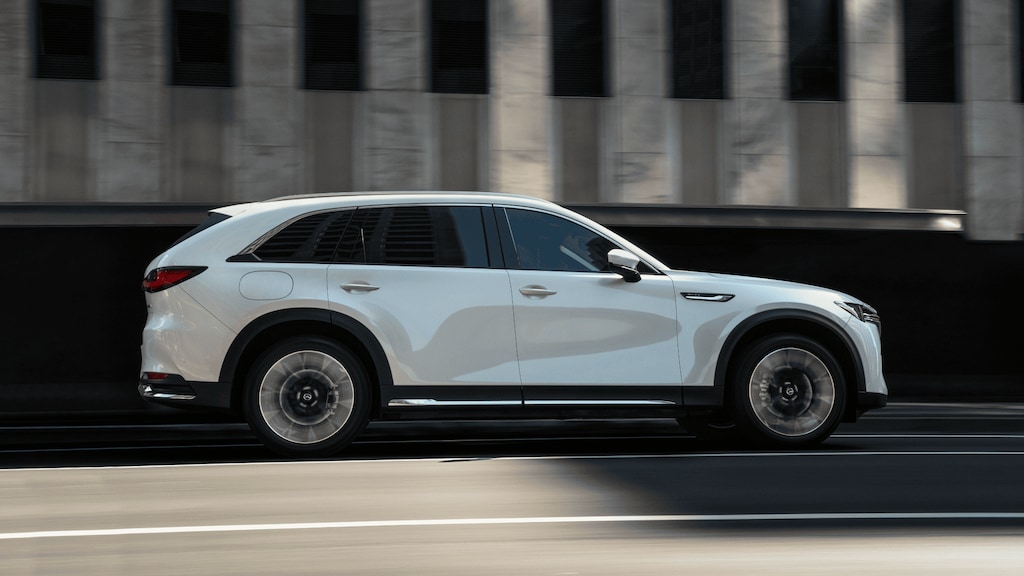
The 2026 Mazda CX-90 Plug-In Hybrid is engineered as a large three-row SUV that integrates electrified propulsion with the brand's longitudinal vehicle platform. This model combines a gasoline engine, high-output electric motor, and lithium-ion battery to deliver controlled power distribution, predictable handling, and consistent efficiency. Built with standard all-wheel drive and advanced chassis systems, the 2026 Mazda CX-90 Plug-In Hybrid is designed to manage both daily driving demands and higher-load scenarios such as towing. Every major system in this vehicle focuses on measurable performance, durability, and system integration rather than stylistic emphasis.
Electrified Powertrain Architecture and Output Specifications
The 2026 Mazda CX-90 Plug-In Hybrid uses the e-SKYACTIV® PHEV system, pairing a 2.5-liter inline four-cylinder gasoline engine with a high-capacity electric motor. Combined system output is rated at 323 horsepower and 369 lb-ft of torque when premium fuel is recommended. The electric motor alone produces up to 173 horsepower, allowing the vehicle to operate under electric propulsion during low-speed driving and short-distance operation.
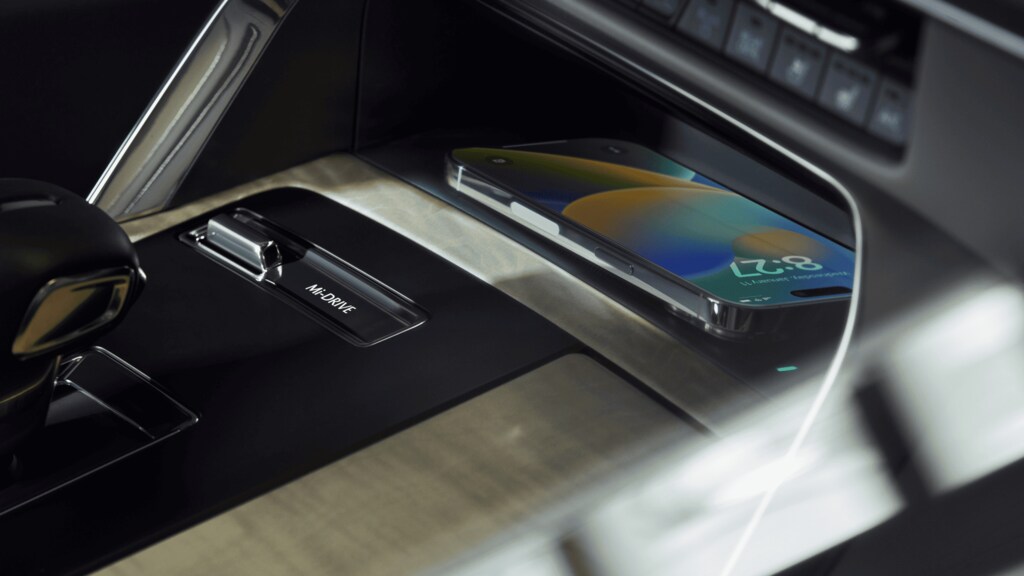
Power delivery is managed through a SKYACTIV®-Drive 8-speed automatic transmission with manual-shift mode. This transmission is calibrated to provide smooth torque transitions between electric and gasoline operation while maintaining consistent gear engagement under acceleration and load. The vehicle includes Mazda Intelligent Drive Select, which allows the driver to choose between Sport, Off-Road, EV, and Charge modes. These modes adjust throttle mapping, torque distribution, and battery usage depending on driving conditions and driver input.
Standard i-ACTIV all-wheel drive continuously evaluates traction conditions and distributes torque between the front and rear axles to improve stability. This system operates automatically without requiring manual engagement. The powertrain supports a towing capacity of up to 3,500 pounds, which aligns with the vehicle's structural design and drivetrain calibration.
Battery System, Electric Range, and Charging Capability
The plug-in hybrid system uses a lithium-ion battery with a total capacity of 17.8 kWh and an operating voltage of 355 volts. This battery enables an estimated all-electric driving range of up to 26 miles under EPA testing conditions. Electric-only operation reduces fuel consumption during short trips and low-speed operation while maintaining seamless integration with the gasoline engine.
Charging is supported through both Level 1 and Level 2 AC charging systems. Using a Level 2 charger, the battery can be charged from zero to full capacity in approximately 2 hours and 20 minutes under standard conditions. Level 1 charging is also supported for situations where higher-voltage charging is not available. A 1,500-watt AC power outlet is integrated into the vehicle, providing auxiliary power capability for external devices while parked.
Energy recovery is managed through regenerative braking, which converts deceleration energy into electrical energy and stores it in the battery. The system operates automatically and contributes to extended electric operation during urban driving conditions.
Disclaimer: Level 2 AC 240V at 30 amps charger. General conditions: State of charge (SOC) in the meter from 20% to 80%, battery temperature at 75° F. Charging times will vary based on charger type, vehicle and battery condition, temperature, and other factors. Actual results will vary. Please see your Owner's Manual for further details.