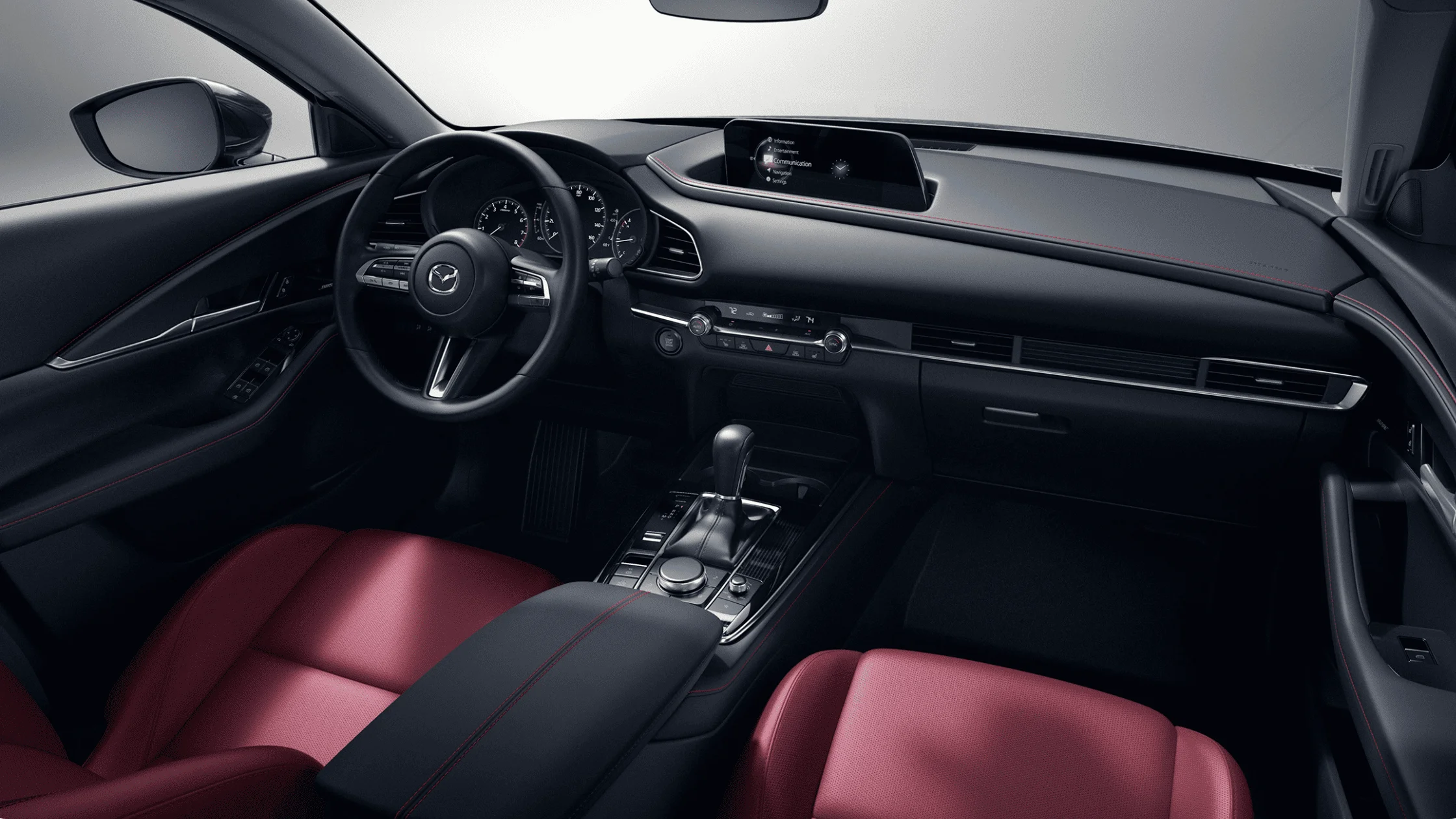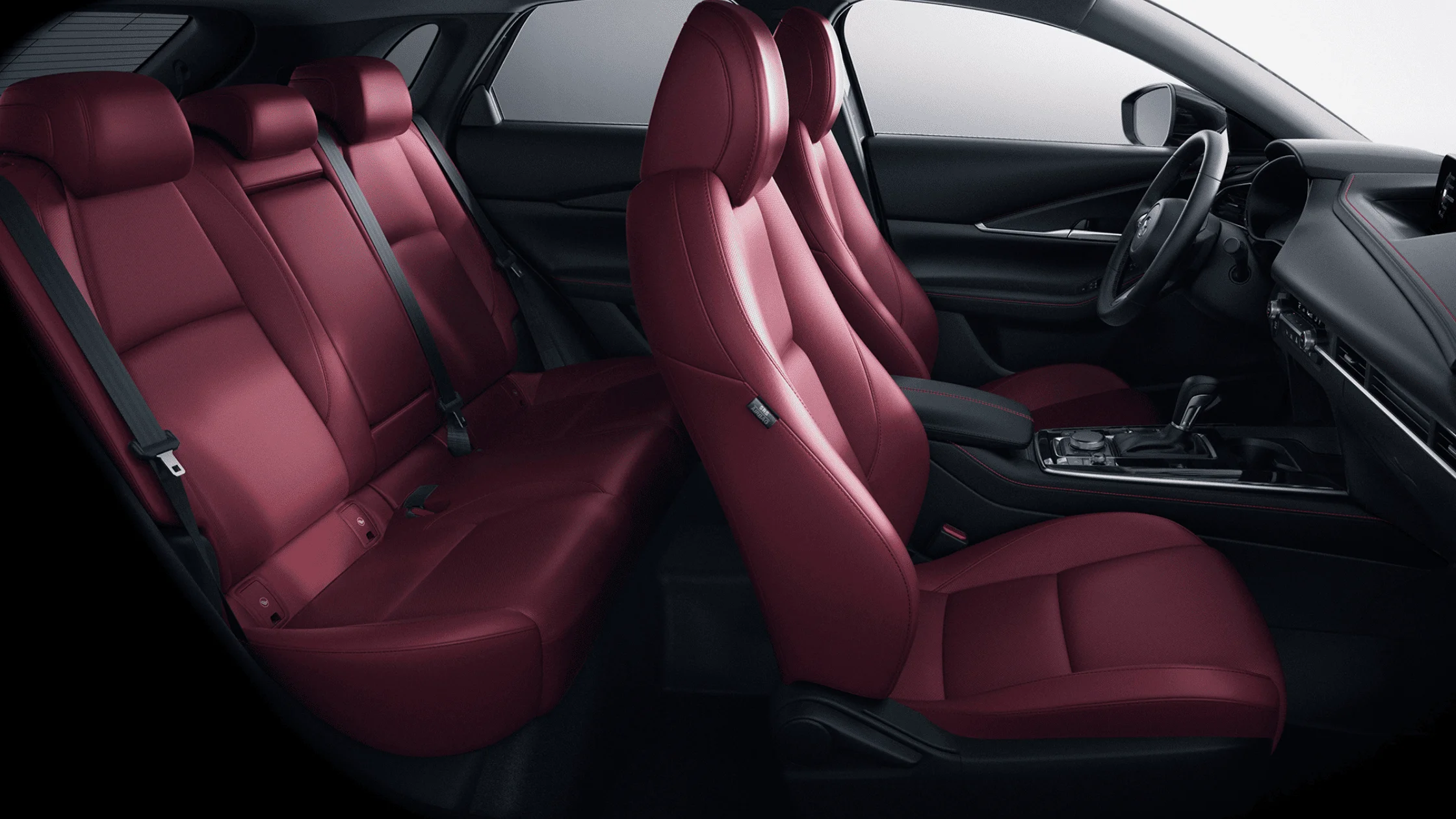
The 2026 Mazda CX-30 is engineered to deliver a balanced combination of mechanical precision, integrated technology, and comprehensive safety architecture within the compact crossover segment. Designed with an emphasis on consistency, structural integrity, and controlled performance, this model continues Mazda's approach to unified vehicle systems. Every major component, from the powertrain to the chassis and driver assistance technologies, is developed to function cohesively. The result is a vehicle that prioritizes predictable operation, efficient power delivery, and measurable driver support features across all trims.
Powertrain Engineering and Output Calibration
The 2026 Mazda CX-30 is offered with two engine configurations, both derived from the Mazda SKYACTIV®-G engine platform. Standard models utilize a naturally aspirated 2.5-liter DOHC 16-valve inline four-cylinder engine constructed with an aluminum alloy block and cylinder head. This engine produces 186 horsepower at 6,000 rpm and 186 lb-ft of torque at 4,000 rpm. A compression ratio of 13.0 to 1 is employed to support efficient combustion, while direct fuel injection allows for precise fuel delivery across varying engine loads.
Turbo-equipped variants feature the SKYACTIV®-G 2.5 Dynamic Pressure Turbo engine. When operating on premium fuel, this engine delivers up to 250 horsepower at 5,000 rpm and 320 lb-ft of torque at 2,500 rpm. With regular unleaded fuel, output remains at 227 horsepower and 310 lb-ft of torque. The turbocharged system uses a dynamic pressure design that optimizes exhaust gas flow at lower engine speeds, supporting consistent torque delivery without abrupt power spikes. Both engine configurations operate at a redline of 6,500 rpm.
All versions of the 2026 Mazda CX-30 are paired with a SKYACTIV®-Drive 6-speed automatic transmission. The transmission includes a manual-shift mode and a selectable Sport mode to adjust throttle response and shift timing. Power distribution is managed through the Mazda i-ACTIV all-wheel-drive system, which actively monitors wheel speed, throttle input, steering angle, and ambient conditions to adjust torque allocation between the front and rear axles.
Structural Dynamics and Chassis Configuration
The chassis architecture of the 2026 Mazda CX-30 is engineered to maintain rigidity while managing road input efficiently. The front suspension employs a MacPherson® strut system with an integrated stabilizer bar, while the rear suspension uses a torsion beam design. This configuration supports consistent wheel alignment during cornering and braking while maintaining predictable ride characteristics.
Steering is provided through an electric power-assisted rack-and-pinion system. The steering ratio is calibrated to balance responsiveness at low speeds with stability during highway operation. Turning radius is measured at 17.4 feet curb-to-curb and 37.4 feet wall-to-wall, supporting maneuverability in confined spaces.
Braking performance is supported by ventilated front disc brakes and solid rear disc brakes. The braking system integrates Anti-lock Braking System functionality, Electronic Brakeforce Distribution, and Brake Assist. These systems are calibrated to manage braking force distribution during emergency braking or uneven traction scenarios. An electronic parking brake with auto-hold functionality is standard across the lineup.
The SKYACTIV®-Vehicle Dynamics system with G-Vectoring Control Plus is included on all trims. This system adjusts engine torque during steering input and applies subtle braking forces to enhance vehicle stability and reduce body motion during directional changes.