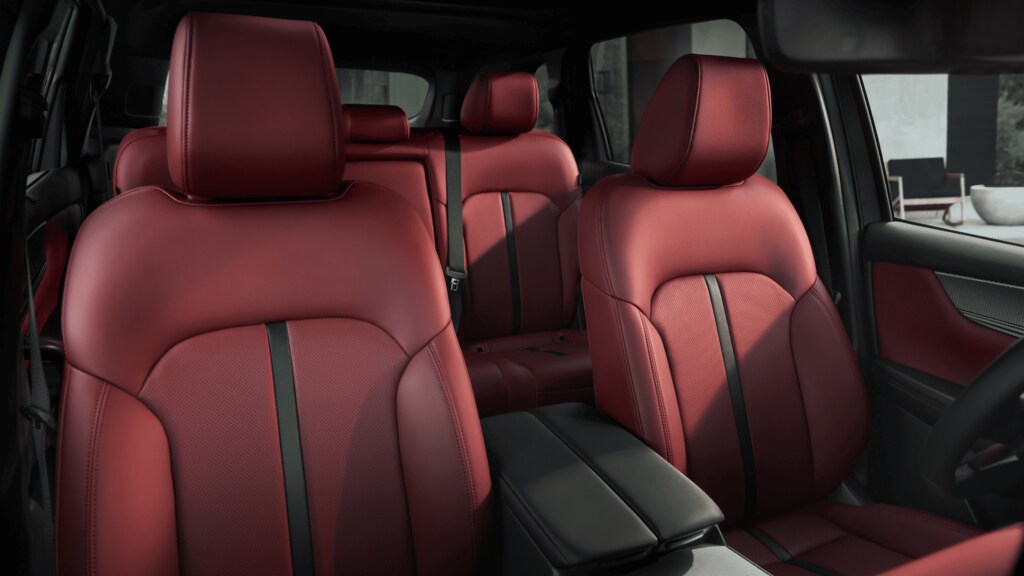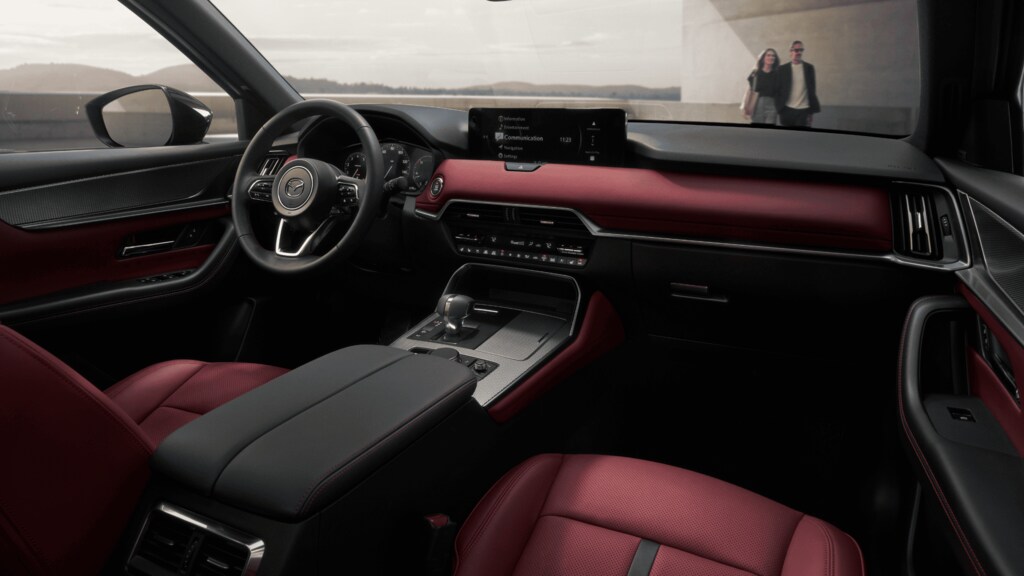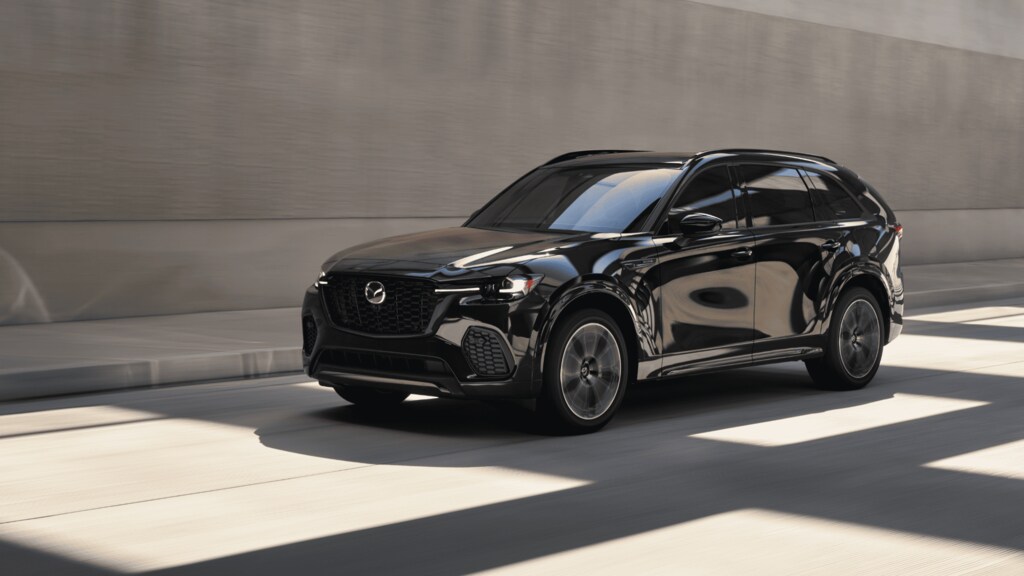
The 2025 Mazda CX-70 introduces a midsize SUV built with a clear focus on performance capability, structural strength, and advanced safety and technology systems. With multiple powertrain configurations, carefully engineered exterior features, and a functional cabin equipped with intelligent connectivity, this model is designed to provide consistent and precise driving performance. Every element, from the structural platform to the smallest component, reflects an approach centered on mechanical efficiency and technical refinement.
Powertrain Engineering and Performance Capabilities
The 2025 Mazda CX-70 lineup is anchored by the e-SKYACTIV G 3.3-liter inline six-cylinder turbocharged engine. In standard configuration with regular fuel, the system generates 280 horsepower at 5,000 rpm with 332 pound-feet of torque at 2,000 rpm. When paired with premium fuel, the same engine increases output to 340 horsepower and 369 pound-feet of torque, optimizing acceleration and towing performance. The integration of a 48-volt mild hybrid system, labeled M Hybrid Boost, further refines efficiency by capturing and redeploying energy for supplemental power during acceleration while reducing engine load during idling and low-speed operation.
For customers prioritizing electrification, the plug-in hybrid electric vehicle variant incorporates a 2.5-liter four-cylinder engine matched with an electric motor system to deliver 323 horsepower at 6,000 rpm and 369 pound-feet of torque at 4,000 rpm. This system is supported by a lithium-ion battery pack that provides up to 26 miles of all-electric driving range and 56 MPGe combined efficiency. The PHEV also integrates a 1500-watt power outlet, enabling external charging for compatible devices.
Disclaimer: EPA-estimated range includes both city and highway driving. EV Range is based on a full charge with electric-only driving. Total Driving Range is based on a full charge and full tank with operation on both electricity and gasoline. Range will vary based on vehicle and battery condition, temperature, driving habits and other factors. Use for comparison purposes only. Actual results will vary.
All 2025 Mazda CX-70 models use the SKYACTIV-Drive eight-speed automatic transmission with manual-shift mode. The transmission's gear ratios are designed for precise torque management, with a 5.258 first gear ratio to support initial acceleration and a 0.628 top gear ratio that balances higher speed efficiency. Power is directed through Mazda's i-ACTIV all-wheel drive system, which monitors traction and redistributes torque for optimal stability. Drive mode selection is managed by Mazda Intelligent Drive Select, which offers Sport, Off-Road, and Towing modes in turbocharged models, and adds EV mode in plug-in hybrid versions.
Towing capacity varies across configurations. Standard turbocharged models are rated for 3,500 pounds, while models equipped with premium-tuned engines extend capability up to 5,000 pounds. Plug-in hybrid configurations are rated for 3,500 pounds, offering practical versatility while retaining hybrid efficiency.
Exterior Design with Functional Enhancements
The exterior of the 2025 Mazda CX-70 is engineered to balance durability with aerodynamic efficiency. Wheel options include 19-inch aluminum alloys with a gray metallic finish and available 21-inch aluminum alloys with a machine-cut finish, each paired with M+S-rated tires sized appropriately for the configuration. Integrated into the structure are aerodynamic elements such as a honeycomb piano black grille, body-colored or piano black garnishes, and adaptive lighting units.
Lighting technology consists of LED headlights with auto-leveling, LED taillights, and high beam control. Select trims incorporate the Adaptive Front-Lighting System to improve visibility through curves. Rain-sensing windshield wipers, a windshield wiper de-icer, and automatic power-folding heated side mirrors with memory and auto-dimming functionality extend usability in a range of weather conditions.
Utility is supported by a programmable hands-free power rear liftgate, roof rails, and privacy glass for rear windows and liftgate sections. Design variations across trims include piano black or body-colored accents on bumpers, wheel arches, and under-door moldings, allowing functional components to merge with structural elements.